- Built for
- Maharaja Ganga Singh, in memory of Maharaja Lal Singh
- Construction began
- 1902
- Architect
- Sir Samuel Swinton Jacob
- Best time
- November to February
- Nearest railway station
- Bikaner Junction
Architecture
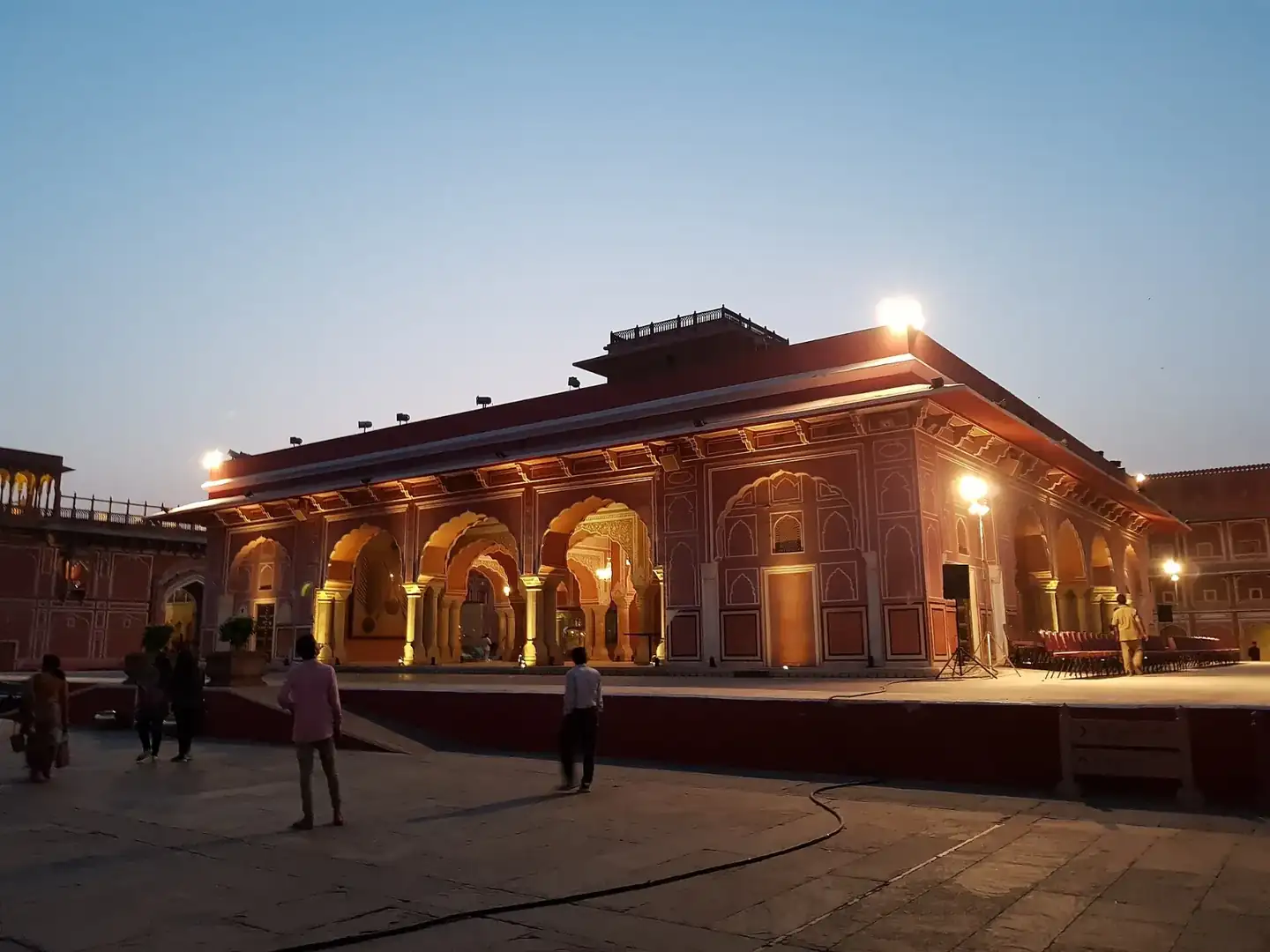
The palace is built of deep red sandstone quarried in the Thar region, with finely carved jali screens, cupolas, pillared verandas and courtyards. Inside, the European influence shows in the layout, furnishings and the large reception rooms, while the carving and decoration follow Rajput and Mughal traditions. The grounds are wide and well tended, and peacocks are often seen on the lawns.
The museum
The museum section shows photographs, hunting trophies, paintings and personal objects of the Bikaner royal family, giving a picture of court life in the early 20th century. The palace is also known for a historic library of old manuscripts and books. There is an entry fee for the museum, and it is closed on some days, so check opening hours before you go.
Staying at the palace
Part of the palace operates as a heritage hotel, so you can stay in rooms that once hosted royal guests. Even if you are not staying, having a meal or tea in the hotel restaurant is a pleasant way to see more of the interiors.
Tips and how to reach
November to February is the best time to visit Bikaner, with mild days and cold nights. Carry water, wear comfortable shoes, and ask museum staff before taking photographs, as some areas restrict cameras.
Bikaner Junction railway station has direct trains from Delhi and Jaipur, and the city has a small domestic airport; Jodhpur is the nearest larger airport. The palace is a short drive from the railway station and Junagarh Fort. We can include Bikaner in a desert circuit with Jaisalmer and Jodhpur.
Also nearby
Plan it with us
Tell us your dates and who is travelling. We will build the route, book the car, driver and hotels, and send you a clear quote.